
Mercoledì 21 gennaio 2026 | 17:00
Politecnico di Milano - Dipartimento di Elettronica, Informazione e Bioingegneria
Aula 21.6.1 (Edificio 21)
Contatti: Prof.ssa Monica Soncini | monica.soncini@polimi.it
Sommario
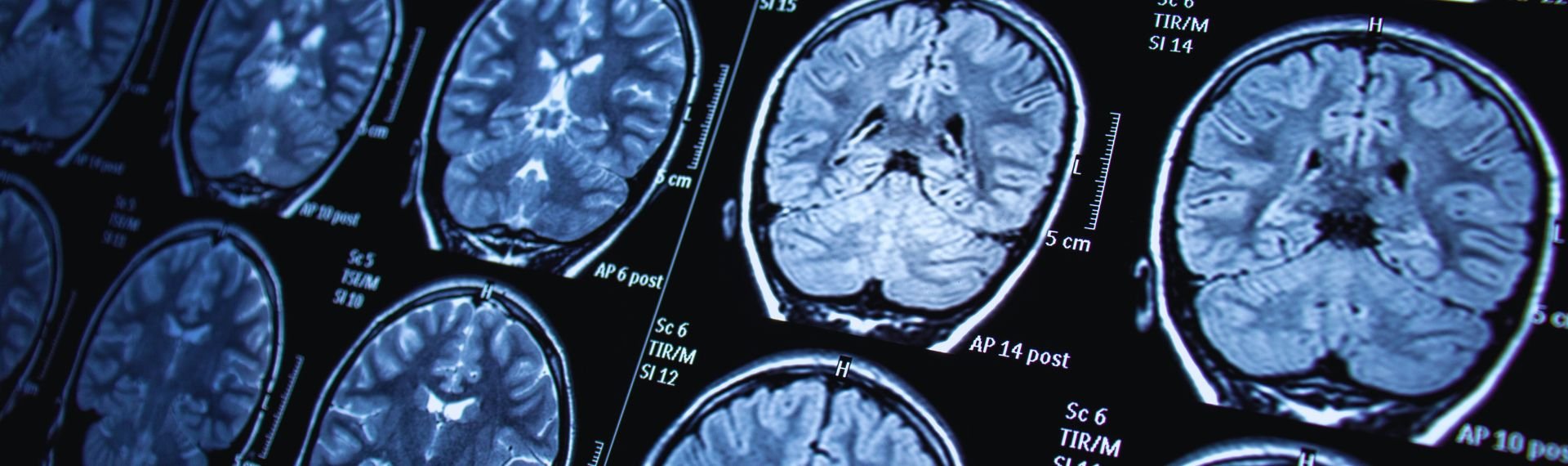
Magnetic resonance imaging (MRI) provides rich information about brain function - from functional MRI - and structural connectomics - from diffusion MRI - yet understanding the complex relationship between the two remains a major challenge in neuroscience.
Recent advances in connectome harmonic decomposition extend classical signal processing concepts to graph domains, offering a novel perspective on this problem.
In this talk, Maria Giulia Preti will first introduce the methodological framework, then present her recent results in both healthy and clinical populations, and conclude with an outlook on open questions and future directions.
Biografia
Maria Giulia Preti received her M.S. degree in Biomedical Engineering (2009) and her Ph.D. degree in Bioengineering (2013) from Politecnico di Milano, Italy. She is currently a Senior Scientist and Lecturer at the Neuro-X Institute, École Polytechnique Fédérale de Lausanne (EPFL), Switzerland, and is also affiliated with the Department of Radiology and Medical Informatics at the University of Geneva, Switzerland. During her Ph.D., she was awarded a Progetto Rocca Fellowship from MIT-Italy, which supported a visiting research period at the Massachusetts Institute of Technology and Harvard Medical School (Boston, USA).
Her current research focuses on investigating the relationship between brain function and structure using advanced magnetic resonance imaging techniques and graph signal processing methods. In particular, she has acquired extensive expertise in functional MRI, functional connectivity, diffusion tensor imaging and tractography, multimodal integration of MRI with other techniques (e.g., EEG), and the application of these methods to several clinical contexts, including epilepsy, Alzheimer’s disease and mild cognitive impairment, multiple sclerosis, attention-deficit/hyperactivity disorder, and stroke.